Losing weight is not easy. You've tried all sorts of different methods, diets and tricks, but nothing really seems to work. It feels like it's going incredibly slowly, which makes it hard to stay motivated. So it's only logical that you start looking for a drug that can help you lose weight. Weight-loss pills, in combination with a healthy diet and enough exercise, can give you that little push to lose weight.
In this article, you will read more about what slimming pills are, what ingredients they contain and, perhaps most importantly, whether slimming pills really work.
Disclaimer: slimming pills are not a miracle cure - as there is no such thing. They can help you, but always make sure you use supplements responsibly and informed. When in doubt, consult a doctor.
Slimming pills and ingredients
As many weight-loss pills as there are, there are so many different ingredients whose most miraculous effects are claimed. These effects are far from proven, but there are a few ingredients that we know can really help you lose weight.
Caffeine
Caffeine is a natural fat burner because it can have an effect on your appetite and temporarily give you more energy. It can also help boost your metabolism. In almost every fat-burning supplement, the main ingredient is caffeine. When you take caffeine a lot and often, your body becomes tolerant to it and the effects become less strong.
Want to know more about what caffeine can do for you during exercise? Then check out the article on fitness supplements.
Green tea extract
Green tea extract is a concentrated form of green tea. It is made by grinding green tea leaves into powder. You utilise the leaves by eating or drinking them with the extract. When you drink green tea, you draw tea from the leaves and then discard it. Green tea extract contains a lot of caffeine, the effects of which you have read about above.
Protein (powder)
Eating enough protein is important when you want to lose weight. Protein allows you to feel full for longer. Proteins can also increase your metabolism, allowing your body to burn fat more efficiently. You can get protein from your diet, but if this does not provide you with enough protein, you can increase your protein intake with a protein shake. Make sure this is low in additives and sugar if you want to lose weight.
Cayenne pepper
Cayenne pepper contains ingredients that can boost your metabolism. The substance capsaicin causes your body to produce more heat, so you burn more calories. This process is called thermogenesis. With cayenne pepper, too, your body adapts after a while and the effect gets weaker and weaker.
Matcha powder
Matcha comes from the same plant as green tea. Matcha farmers cover the tea plants 20 to 30 days before harvesting so that the leaves no longer receive direct sunlight. This gives the plant a dark green hue, as it increases chlorophyll production and amino acid content. After harvesting, the leaves are ground into and fine powder, which we know as matcha. Matcha is good for your metabolism and contributes to a healthy lifestyle. Matcha does not cause an increase in the stress hormone cortisol, as caffeine does.
Lifestyle and slimming pills
When you want to lose weight, it is important to make lifestyle changes. You cannot take weight-loss pills and then lose weight without putting in any further effort - if only it were that simple.
Adjusting your diet is the most important thing when you want to lose weight. After all, you gain weight when you eat more than what you burn. Start by keeping track of what you eat in a day. Chances are you will be shocked how many calories, fat and sugar you consume without realising it. Becoming aware of this is the first step towards a healthier lifestyle.
Next, you need to start adjusting your diet. This is often the most difficult step. Try starting small; replace a biscuit with fruit, eat less carbohydrates like potatoes and pasta and more proteins like meat and fish. The Disk of Five is a good tool to check whether your diet suits your posture and lifestyle and whether you are getting enough nutrients.
Motion
Sports and exercise can also be very helpful in creating a healthy lifestyle. This is not only good for physical, but also for your mental health. Especially when you start using supplements that help you get results when exercising. For example, an energy supplement that allows you to keep up your workout for longer can be very motivating.
If you hate the gym, see if there is something else you do enjoy doing. Outdoor running or something unusual like rope jumping or hula hooping. There are also many videos online that allow you to quickly and easily exercise at home for 15 or 30 minutes. When you make exercising fun for yourself, you will keep it up more easily.
Slimming pills come in different forms
There are a lot of different slimming pills on the market, all with different effects. For instance, there are fat burners that help you - as the name suggests - burn more fat, appetite suppressants to satisfy your hunger pangs and energy boosters to help you keep up exercise for longer. Many pills contain a combination of ingredients that combine all these benefits and work together. Slimming pills come in different forms: often they are pills, but they can also be in powder, drink or liquid form.
By no means all slimming pills have been proven to work - some can even be harmful. So always be careful what you buy and use. Some pills cause side effects such as headaches and nausea. If you take more pills than prescribed, they can also be dangerous. So never exceed the recommended amount on the packaging. If you are on medication, always consult a doctor when you want to start using slimming pills.
Fat burners
Fat burners are also called fatburners or stackers. These pills contain ingredients that help your body burn more fat or make you store less fat from your diet.
Fat burners can work in different ways. For example, fat burners release adrenaline and norepinephrine: these are hormones that cause stored fat from your body to enter your bloodstream. That fat in your bloodstream does not disappear overnight: you yourself have to encourage your body to burn it as energy. Therefore, when using fat burners, it is important to also exercise and eat healthily while doing so, so that you do not keep replenishing your fat stores in the meantime. When you do not exercise, the fat released into the bloodstream is simply stored again as fat.
Usually, the effect of fat burners diminishes after a while. You will then notice less and less of the effect. It is good, actually as with many supplements, to take a break from time to time and not take them continuously for a long time. Want a fat burner with caffeine that also gives you energy for exercise? Then is Fat Burner what for you. Would you prefer a fatburner without caffeine? Fat Killer Plus is a simple supplement with only four ingredients, without caffeine.
Appetite suppressants
Appetite suppressants are supplements that make you crave food less. If you suffer from binge eating or have difficulty feeling satiated after eating, appetite suppressants can support you in getting this under control. Some appetite suppressants work by fibers swelling in your stomach to fill your stomach. Others make your brain believe you are not hungry, so you don't constantly maintain a feeling of craving food. This can be done through the hormone serotonin. Serotonin is responsible for regulating your appetite, sleep patterns and mood. By increasing your serotonin levels, you can suppress food cravings.
There can also be risks associated with appetite suppressants. Consider side effects such as palpitations, restlessness, high blood pressure and insomnia. So look carefully at the ingredients of the appetite suppressant you want to use and what the possible side effects are.
If you want to start using appetite suppressants, it is important to also make positive changes to your eating and exercise patterns. Eating less alone can leave you short of important nutrients: so use it only as support.
A product such as W-loss simply dissolves in water and can help satisfy your cravings.
Energy Boosters
There are a lot of different products that can help you boost your energy levels. One of the most widely used and effective is caffeine: we briefly discussed it above. You can of course drink a cup of coffee before your workout, but many weight-loss pills contain caffeine.
If you like a supplement that gives you extra energy, pay attention to this when buying your weight loss supplement. For example, Fast Burn Extreme is such a supplement with 100mg of caffeine and green tea extract.
Be aware that a supplement will easily give you more caffeine than coffee or tea. So never exceed the recommended amount of supplements and pay extra attention if you are sensitive to caffeine.
Keto weight loss pills
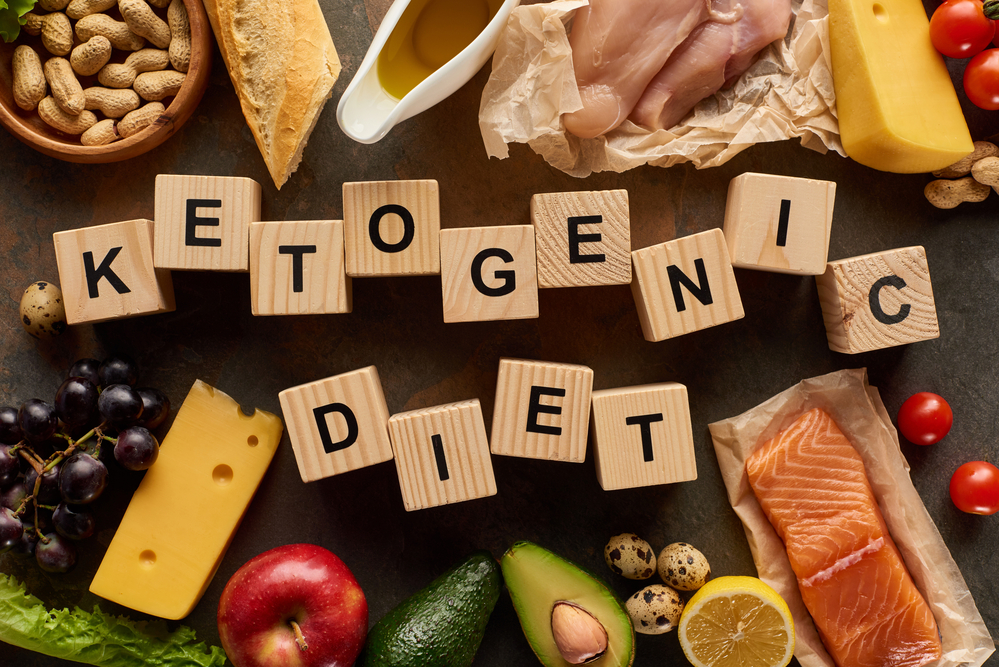
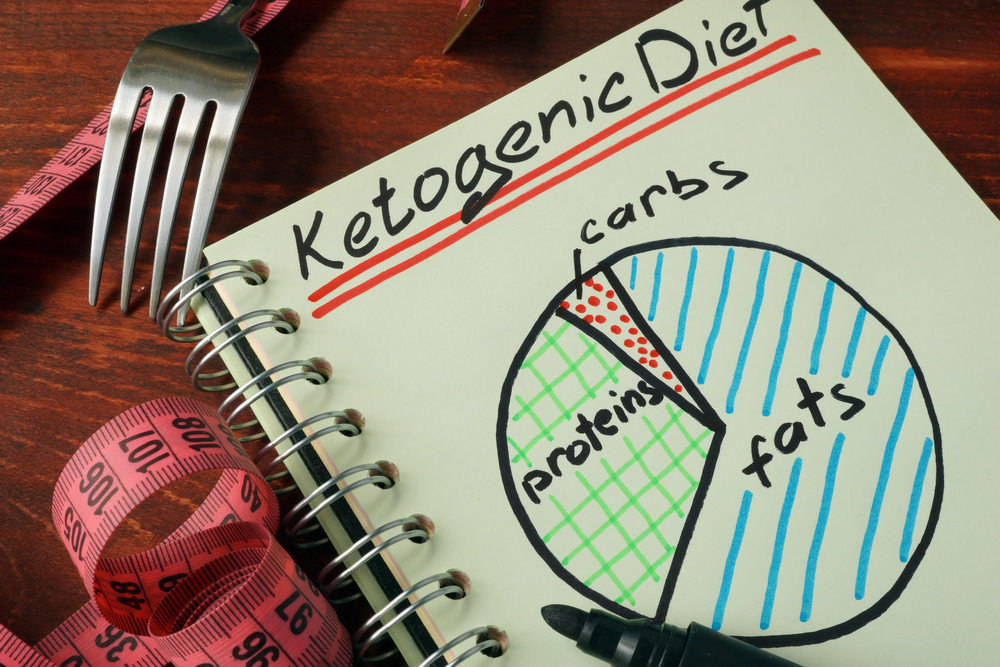
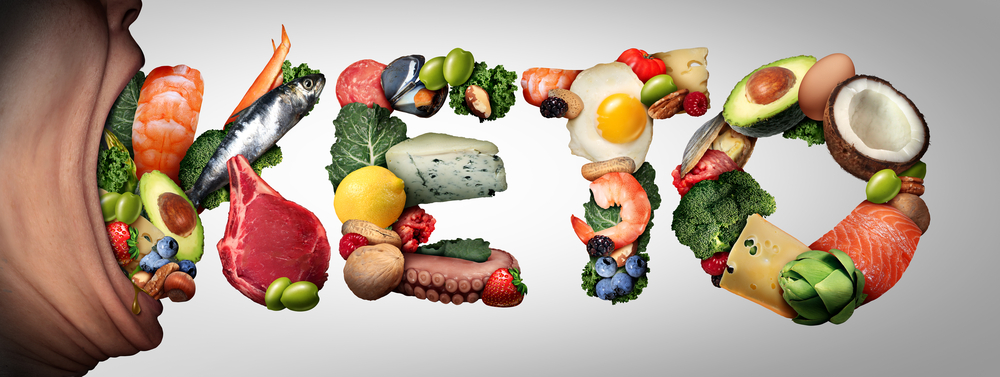
Ketosis is the state in which your body burns fat to get energy. Normally, your body gets energy from your diet. When you eat few carbohydrates, your body starts burning your fat reserves instead of the carbohydrates you eat. This state is called ketosis. So your body gets its fuel from another source. There are many different keto diets. Basically, during such a diet, you eat no to very few carbohydrates such as pasta and bread. Instead, you eat more fats, proteins and vegetables.
So you can put your body into a state of ketosis with a low-carb diet. But you can also do that with keto weight-loss pills. Those pills help your body get into a state of ketosis faster. So it is an alternative to drastically changing your diet.
Of course, the idea is not to keep eating lots of carbohydrates in the meantime. It is important to find a good balance. If you want to burn fat through ketosis, don't just start. Make a good plan to ensure that you still get enough nutrients, with or without supplements.
Metabolism boosters
Metabolism is another word for your metabolism. It is all the chemical processes in your body that convert carbohydrates, proteins and fats into energy. There are a number of points that affect your metabolic rate that you cannot change much yourself:
Genetics: your metabolic rate is largely determined genetically.
Age: Your metabolic rate drops by about 2% every 10 years after age 20.
Gender: Men tend to have a higher metabolic rate than women.
Weight: Your metabolic rate increases with your weight.
Height: Tall people usually have a higher metabolic rate than short people.
Diet: If you take in few calories for an extended period of time, it can lower your metabolic rate. So dieting can then backfire.
Most metabolism pills contain ingredients that cause thermogenesis. This is the process by which your body uses more energy by warming up. This can increase your metabolism and help you burn more calories. Of course, as with the other supplements, it is important that you start at the base by eating healthier and exercising more. A supplement like Power Keto you take to supplement and can support this ketosis process.
Why buy your weight-loss pills from Slimminglabs
Slimminglabs has a wide range of weight loss pills. Whether you're looking for a fat burner, an appetite suppressant or a metabolism booster, Slimminglabs has more than 50 different weight loss supplements! You can easily compare ingredients to find the perfect weight loss supplement for you. Delivered within one day and with 100% satisfaction guarantee.
Order your favorite weight loss pills on the Slimminglabs website now! With over 50 products to choose from, there is sure to be something for you. Delivered within one day and with 100% satisfaction guarantee!
What can support weight loss?
Eating healthier and less is the most important thing if you want to lose weight. Exercising or exercising burns more calories, so this can help you lose weight well. But losing weight by exercising alone takes a lot of time. Therefore, you can also use supplements as support. We have some 5 supplements that can help you lose weight. A dietary supplement is no substitute for a varied diet, which is why it complements the above. Sometimes it is very difficult to get the right amount of nutrients from food therefore a supplement can be a good addition. We are not doctors or dieticians. If in doubt, always consult your doctor or dietician. Also, we are not allowed to make claims per product because many ingredients are still being researched and on hold. A good thorough research can take up to 10 years.
Many of our customers choose the Fat Burn Active product this is because it contains good ingredients such as: Green Tea, Forskolin, Black Pepper Fruit Extract.
If you want a supplement with lots of good ingredients, then you can choose Fast Burn Extreme. After all, this contains: Forskolin, Green Tea and Cambogia Fruit Extract and much more. To see the complete list of ingredients go to the product.
This product contains a lot of fruit and vegetable extracts. This may be just the product for you to choose. It contains the following ingredients: raspberry, carrot and bean extract.
Formula devised by fitness professionals
Combine with healthy food
Perfect ratio of all potent substances
Frequently asked questions about weight loss
What are the best weight-loss pills?
What the best weight-loss pills are varies from person to person. There are fat burners, metabolism boosters, appetite suppressants or a combination thereof on the market. Think carefully about what your goal is and do research on the ingredients and active ingredients of the supplement you want to use.
What can you eat in conjunction with weight-loss pills?
Slimming pills are not a panacea, but an aid to weight loss. So you can't expect to eat a lot, fat and unhealthy food but still lose weight thanks to a pill. Make sure that when you use weight loss pills, you eat healthier and exercise more. Drink plenty of water (1.5 - 2L per day), Eat lots of fruits and vegetables and avoid unhealthy snacks and things like sugar, candy and soda.
What types of supplements are there?
There are fat burners that help you burn more fat. Appetite suppressants fill your stomach with fiber to make you feel full or make your brain think your stomach is full so you have fewer cravings for more food. Energy boosters give you more energy so you can keep up exercise longer, for example, and metabolism boosters speed up your metabolism and burn more calories. These supplements often come in pill form, but also come as powders or drinks. Always look carefully at the ingredients before taking supplements.
What are the disadvantages of fat burners?
After a while, your body gets used to the help it gets from fat burners, and your fat burning supplements will not work as well. So it is advisable to take occasional breaks and not use fat burners constantly for long periods of time.
What is the best fat burner?
What is the best fat burner varies from person to person. Our favorite is Fat Killer Plus because it contains only 4 ingredients: Green tea extract, Artichoke extract, Forskolin extract and Ginger extract. All natural herbs that can support you in losing fat.
What is the effect of appetite suppressants?
Appetite suppressants can work in different ways. Some contain fiber that sets up in your stomach through fluid, making your stomach full. Others contain substances that make your brain think your stomach is full when it is not. Both make you crave food less. Just be careful that you still eat enough and get all your needed nutrients. If you keep having cravings after a big, balanced meal, you may want to see if appetite suppressants can help.
Are weight-loss pills safe to use?
When you use weight-loss pills as instructed, they are usually safe. However, there are pills that contain harmful or dangerous substances. So do some research on the ingredients before you start using slimming pills out of the blue. Also, never exceed the recommended dosage. If you are on medication, consult a doctor before using weight-loss pills
Are fatburners recommended?
Whether fatburners or fat burners are advisable varies from person to person and how you handle them. It is not a panacea - if you eat unhealthily and hardly exercise, it has almost no effect. If you are really committed to losing weight, watching your diet and exercising more, it can be a good tool. Preferably choose a fatburner with natural ingredients.
Have you been on the keto diet for a while, but do you notice that you are not losing weight or not losing enough weight? A reassurance: you are certainly not the only one who suffers from this. Many people who want to lose weight on a keto diet experience this problem. This can be quite frustrating and that is why we will delve deeper into this question. In this blog you can read 7 reasons why you are not losing weight with keto.
Do you really want to lose a few pounds, but you can't exercise because you have physical discomfort? Or can you exercise, but you simply don't enjoy it or perhaps it is very exciting because you don't feel comfortable? Then we have good news for you. We have the answer to your question: “can you lose weight without exercising?” And you probably really like that answer. You can lose weight without exercising! But how can you lose weight without exercising? And what should you pay attention to? We will tell you more about it in this blog.
We are often busy trying to find the perfect diet for us. We would like to stay fit, lose weight or gain weight. But we often forget one very important part; namely getting enough fiber. These are plant substances that our body cannot fully digest and which, among other things, are very good for digestion. In this blog we specifically discuss why eating fiber and losing weight go hand in hand. We also tell you how much fiber you need and give you tips on how to get it more easily.
Many people long for a tighter stomach or slimmer arms. Unfortunately, losing weight does not appear to be an easy task and requires a lot of discipline. Fortunately, there are a number of steps you can take to burn fat faster. These are our tips!
Many people like to eat out. Many are therefore afraid that this is no longer possible with a low-carbohydrate diet. But nothing is less true. It is difficult, but certainly feasible. The challenge lies in the choices you make: what and where are you going to eat to stick to your diet?
In this blog we give a number of tips for eating out low-carb, so that you can continue to enjoy yourself without this being at the expense of your diet.
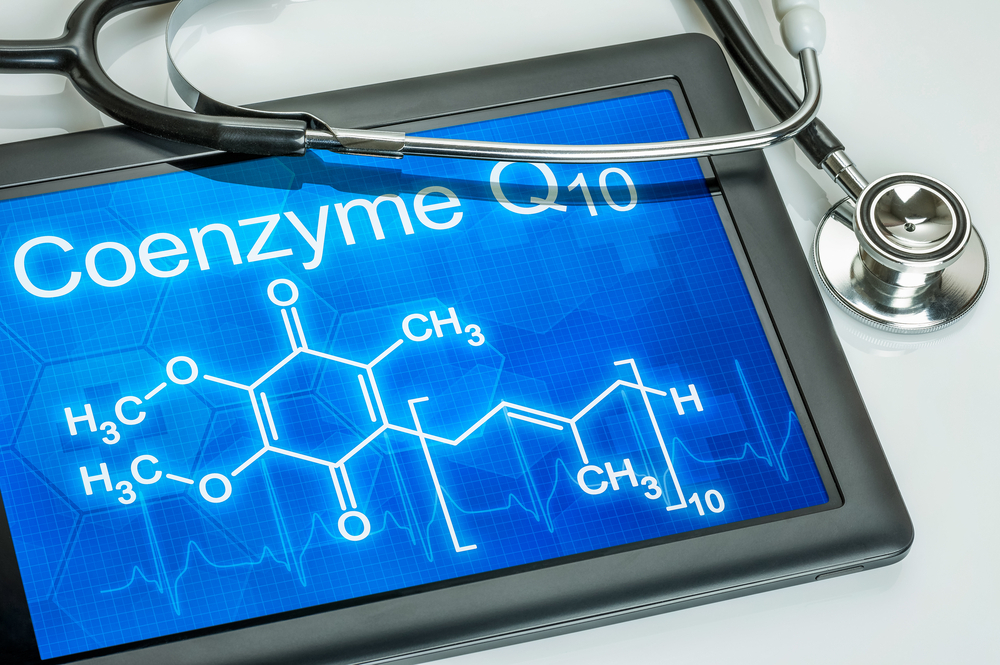
Many people strive for a healthy weight, which is a challenge for many. Of course, it is important to maintain a healthy lifestyle and thus eat healthy and exercise enough, but more and more effective methods are being discovered to potentially lose weight faster. What we are increasingly coming across is that sufficient coenzyme Q10 in your body can help you lose weight. What it is, why it might contribute to weight loss and how it works in our bodies can be read in this blog.
We all know that nutrition plays a crucial role in weight loss. Yet the impact of herbs on this process is often overlooked. And yet the herbs that you often already have in your kitchen cupboard can make a valuable contribution to the pursuit of a healthier weight. Different types of seasonings can stimulate fat burning, reduce appetite and contribute to effective weight loss. In this blog we will tell you more about the 8 most popular herbs that you can use to lose weight.
Are you determined and do you really want to lose those extra kilos? For instance, because you gained weight after a pregnancy, because your favourite pair of trousers just don't fit anymore or simply because it is better for your health and mood? Then losing weight with a ketogenic diet might be for you. Losing weight with keto has been very popular in recent years. But what is a keto diet and how (quickly) can you actually lose weight with it? We tell you in this blog.
Have you looked into ways to lose weight and actually want to lose some pounds? If so, you've probably heard the term ketosis mentioned before. But what exactly is ketosis and how can it contribute to weight loss? In this blog, we will take a closer look at ketosis and losing weight, and give useful tips on how to get into ketosis faster.
Green tea is one of the most widely consumed drinks in the world due to its subtle flavour and deep cultural significance. But did you know that this popular tea is also good for your health? This is because it contains nutrients and antioxidants that have beneficial effects on your health. Moreover, green tea turns out to be an effective fat burner! In this blog, we explain how green tea can help you lose weight.