
Hydrate skin
Healthy skin starts with good hydration. Whether you have dry, oily or normal skin, it is important to hydrate the skin to protect and strengthen its natural barrier. In this blog from Slimminglabs, you can read all about hydrating the skin. What is moisturising the skin, why is it important and how can you moisturise your skin (from within)? We explain it to you.
What is moisturising the skin?
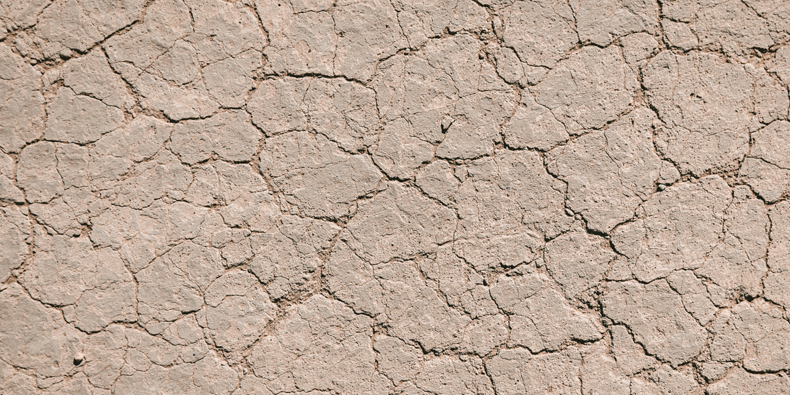
Hydrate also means to infuse moisture. But hydrating is actually not about infusing moisture, but mainly about preventing moisture loss. Do you drink a bottle of water? Then, of course, you are doing the right thing. You bring in moisture, but the water also evaporates again like snow in the sun when your skin barrier is not healthy. Do you apply a moisturising cream and take other measures? Then the skin will soften, a kind of layer will form on the skin to prevent moisture loss and the introduced moisture will be better absorbed.
Why is it important to moisturise your skin properly?
Hydrated skin is more beautiful and healthier skin. Not only does it look that way, the skin also feels softer and boasts a sparkling appearance. Moisturising your skin keeps it from drying out easily. Are you not hydrating properly? If so, you may have dehydrated skin. And that is anything but pleasant. You can recognise dehydrated skin by, among other things:
- tight skin;
- itching;
- a dull colour;
- less supple skin
- dry lines;
- sensitivities.
Are you moisturising? Then you create or maintain a healthy skin barrier. Good skin care and hydration is very important, as the skin is our largest organ. Hydrated skin is more resistant to bacteria and fungi, preventing irritations, inflammations and infections. In addition, your hydrated skin looks younger again and with proper hydration, you will no longer suffer from itching or any other sensitivity.
Moisturise dry skin
Do you have dry skin? Then you need extra hydration. This is because dry skin retains less moisture than other skin types. Hydrating dry skin can be done very well with moisturising creams and lotions. Important ingredients include glycerine, hyaluronic acid, ceramides and urea. Fine products to moisturise dry skin include Hydroface and Bioxelan. If you want to moisturise dry skin, also make sure not to use products that dry out the skin again, such as soap and hot water.
Moisturising oily skin
Do you have oily skin? Don't skip moisturising oily skin either. Many people with oily skin think that proper hydration only makes the skin oilier, but nothing could be further from the truth. Moisturising oily skin actually allows excessive oil production to decrease. However, do use a light, non-comedogenic cream. If a product is non-comedogenic, it will not clog pores. Want to moisturise oily skin? Then preferably choose a cream with niacinamide, hyaluronic acid and/or aloe vera.
Hydrating skin from within
Hydrating skin from within: this too is possible and definitely recommended. In fact, there are an awful lot of factors that can lead to moisture loss in the skin. Think dry air, air conditioning, prolonged sun exposure and not drinking enough water. But heredity, age, diet, hormonal fluctuations and medications also play a role. Moisturising your skin from within can be done in various ways. We give you some tips.
- Drink plenty of water and limit drinks with sugar, caffeine and alcohol
- Consume hydrating foods such as avocados, olive oil, spinach, salmon, honey, berries, cucumber and watermelon
- Take (if you are deficient in these!) omega-3, vitamin C, D3 and B to build a natural barrier
- Avoid hot water, for example while washing dishes, showering or bathing
- Limit the use of air conditioning in summer and heating in winter
- Use a humidifier
- Wear natural clothing (preferably made of cotton or bamboo fibres)
- Use natural oils
- Protect your body with at least SPF 30 sunscreen
Want to know more about moisturising?
Moisturising is incredibly important if you want healthy and glowing skin. Do you still have questions about hydration or are you curious which products are best suited to your situation? Feel free to contact us, we are happy to help.